


Give the interviewer the same context as the real process
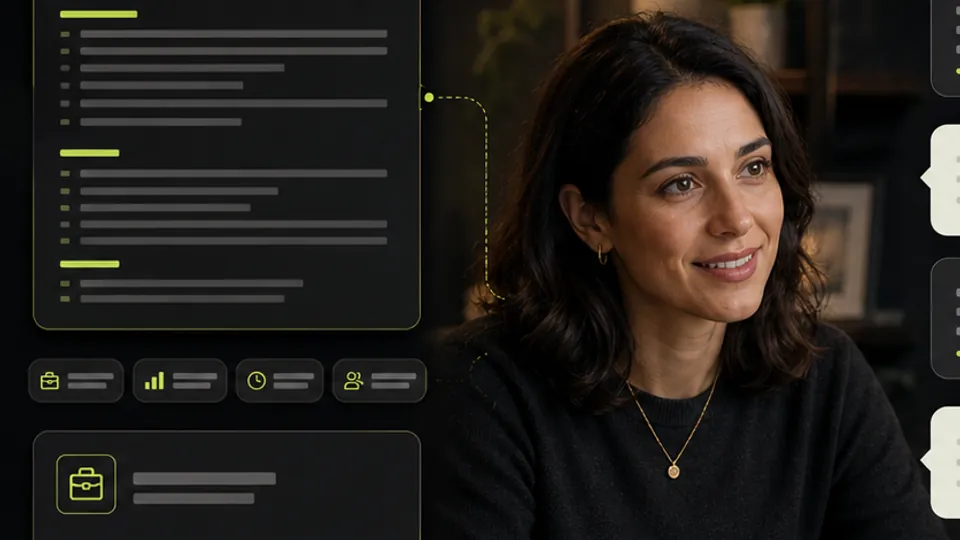
Name the role, company type, seniority, and important requirements. Paste the job description when you have it. If the company has a distinctive interview format, mention that too. “Senior backend engineer at a payments startup, with system design and incident response” produces a more relevant session than “software interview.”
A resume is optional, but it helps the questions connect to your actual work. Remove personal details you do not want to use in the session. Make sure the version you upload matches the application you plan to discuss.
Choose pressure on purpose
The workflow can run for 15, 30, or 45 minutes with a technical, behavioral, or mixed focus. Use 15 minutes to rehearse a weak area, 30 minutes for a normal practice round, and 45 minutes when you want a fuller sequence with follow-up questions.
Friendly, neutral, and tough styles change the tone, not the standard of the answer. A tough session can expose vague thinking, but it is not always the best first practice. Start neutral if you are still building examples, then increase the pressure once the content is sound.
Answer one question at a time
You can stay in text or switch to voice after setup. Voice practice reveals pacing, filler words, and answers that are too long. Text makes it easier to inspect structure and missing evidence. Use the mode that matches the skill you need to improve.
For behavioral questions, give the situation briefly, state what you personally did, and finish with the result and what you learned. For technical questions, clarify assumptions before choosing an approach. If you do not know something, explain how you would investigate it instead of trying to bluff through the gap.
Turn feedback into another attempt
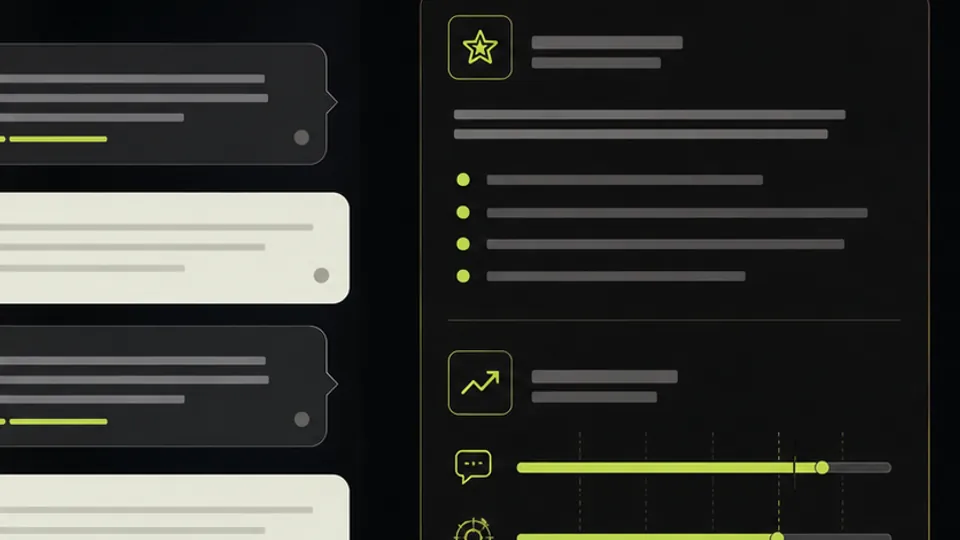
When you ask to wrap up, the workflow gives a summary of strengths, areas to improve, and suggestions for next time. Look for repeated patterns rather than reacting to every sentence. Common issues include answers without a result, examples that never state personal ownership, and technical explanations that skip tradeoffs.
Rewrite one weak answer in your own words, then practice it again without memorizing a script. The goal is a clear structure you can adapt, not a performance that collapses when the interviewer changes the wording.
If your resume positioning needs work first, use the resume and video pitch guide.
Before the real interview
- The session matches the role and expected seniority.
- You can explain every claim on the uploaded resume.
- Behavioral examples name your own action and a result.
- Technical answers surface assumptions and tradeoffs.
- Your spoken answers fit the time available.
- You practiced the feedback instead of only reading it.